by lspeed | Nov 22, 2026 | KNOWLEDGE: MEAT ESSENTIALS
We solve one of the most common kitchen wisdom confusions
After almost two decades in the steakhouse business, you better have learned that meat comes with plenty of options and opinions – especially about how it needs to be cooked. But before we head for the smoking grill, there is a common and largely misunderstood question – what exactly makes meat red or white?
You will probably say that the answer is obvious. Beef is red, chicken is white, and anything else can be decided by looking at it. Unfortunately though, nature never consulted a restaurant menu. Instead, the distinction comes down to myoglobin, an oxygen-binding protein found in muscle tissue. Animals whose muscles work hard and require substantial oxygen generally have more of it, giving their meat a darker colour.
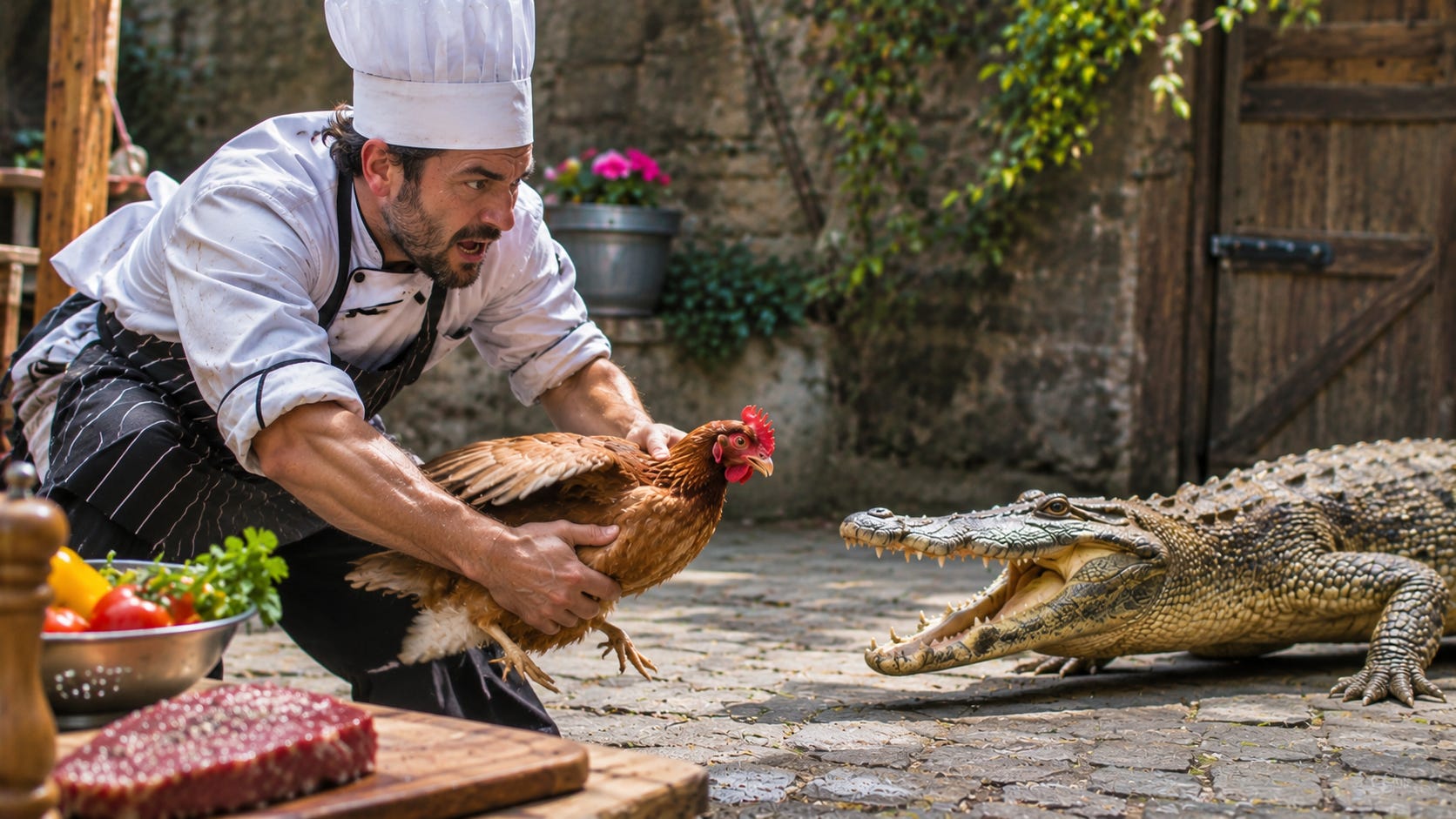
Cattle, sheep and horses are obvious examples. Chickens, which spend more time walking than flying, have pale breast muscles but darker, more active legs. And that’s where things become really confusing, because duck and goose are poultry by definition, but their meat is darker than chicken. Ostrich and emu, both birds as well, produce deep-red meat resembling lean beef.
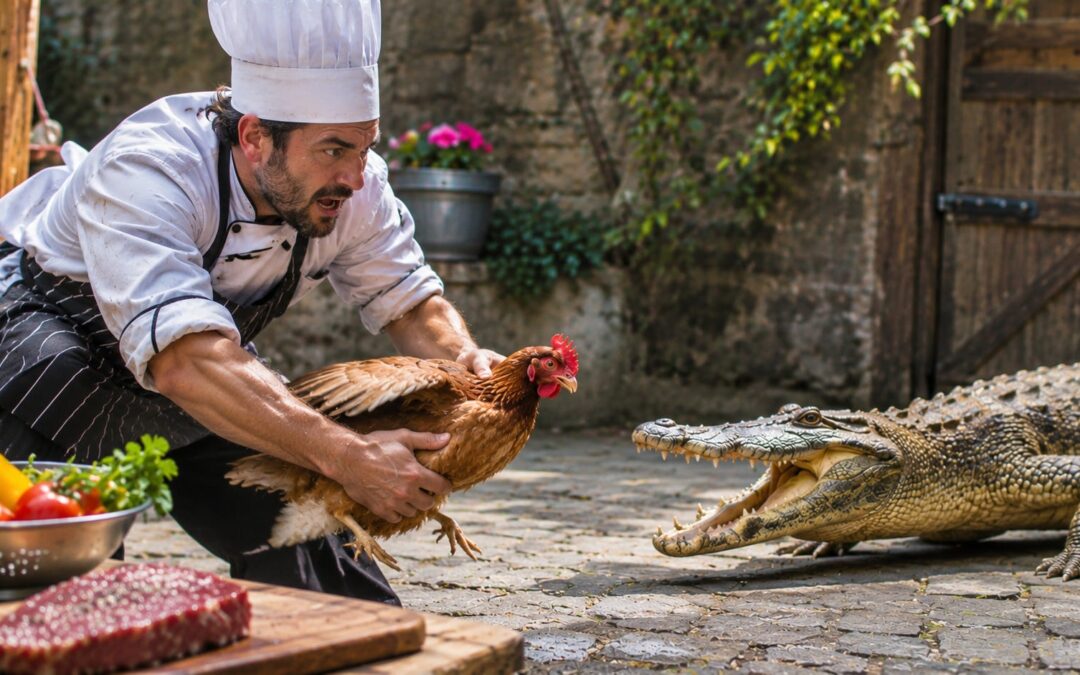
But it gets worse. Crocodile, despite looking like something that can and will eat the chef, produces pale flesh, often compared with chicken or firm fish. Then there’s rabbit, generally considered white meat. While pork – regardless of its pale appearance and decades of clever advertising – is classified as red meat nutritionally, simply because it comes from a mammal.
In the kitchen, colour is only half the story.
Chefs classify meat not merely by appearance but by muscle structure, fat content, connective tissue and how it responds to heat. A beautifully marbled rib-eye like ours benefits from intense grilling, allowing its fat to render while developing a flavourful crust. Lean venison or ostrich, on the other hand, turns dry when overcooked. Lamb shoulder needs patience and slow cooking, while lamb cutlets are perfectly happy with a few minutes over fierce heat.
Then there is everyone’s everyday chicken breast, requiring a gentler approach to retain moisture. Chicken thighs tolerate longer cooking, thanks to their greater fat and connective tissue. And crocodile tail, exceptionally lean, is best cooked briefly and carefully. As one can see, there’s no one rule to settle all questions.
Food safety introduces the other half.
Whole cuts of beef, lamb and other conventional red meats are served rare when properly handled. This is because harmful bacteria are generally concentrated on the exterior, and are therefore eliminated when exposed to enough heat. Ground meat, by definition, is different because mincing distributes surface bacteria throughout. This is why burgers require particular attention, and in our restaurant are never offered cooked less than to medium or medium well.
Poultry must be cooked thoroughly, with 74°C at the centre being a widely accepted safety target. Ground meats generally require 71°C, while whole cuts of beef, pork and lamb have a standard US safety recommendation of 63°C followed by three minutes’ resting. Wild game and exotic meats require additional caution, especially where parasites are concerned, and neither colour nor tenderness is a reliable indication of safety.
The thing to remember.
The red-versus-white debate is great brain food for nutritionists, useful knowledge for chefs, but downright confusing for customers. Even in a professional restaurant kitchen like ours, knowing the animal is merely the beginning. There is no universally agreed culinary classification for every species, particularly game birds and exotic animals. Understanding the cut, its fat, its fibres and its ideal cooking method is what separates a memorable dinner from an overpriced slab of shoe leather.
And that is the final lesson. When an emu looks like beef, a crocodile tastes like chicken, and pork insists on being the other white meat, the sensible chef leaves classifications to the academics and focusses on his training to get dinner right.
The Meat Classification Cheat Sheet
Red meats, generally classified as red nutritionally:
-
Beef, veal, buffalo, bison and yak
-
Lamb, mutton and goat
-
Pork and wild boar
-
Venison (deer, elk, moose and reindeer)
-
Horse, donkey and camel
-
Kangaroo and wallaby
-
Rabbit’s relative, the hare
White meats, conventional culinary classification:
-
Chicken, turkey and guinea fowl
-
Rabbit
-
Quail, pheasant and partridge
-
Crocodile and alligator
-
Frog legs
The interesting exceptions:
-
Duck and goose: Poultry, but distinctly dark meat
-
Ostrich and emu: Birds with deep-red, beef-like meat
-
Pigeon and squab: Poultry with dark-red flesh
-
Pork: Often pale when cooked, but nutritionally red meat
-
Rabbit and hare: Close relatives, yet traditionally placed in different culinary categories
Image Credit: https://therestaurantinsider.net (AI-generated)
_ _ _
© CHURRASCO PHUKET STEAKHOUSE / ALL RIGHTS RESERVED
Reprinting, reposting & sharing allowed, in exchange for a backlink and credits
Churrasco Phuket Steakhouse serves affordable Wagyu and Black Angus steaks and burgers. We are open daily from 12noon to 11pm at Jungceylon Shopping Center in Patong / Phuket.
We are family-friendly and offer free parking and Wi-Fi for guests. See our menus, reserve your table, find our location, and check all guest reviews here:
https://ChurrascoPhuket.com/
#Churrascophuket #jungceylon #phuketsteakhouse #affordablewagyu #wagyu
by lspeed | Nov 15, 2026 | KNOWLEDGE: MEAT ESSENTIALS
When Two Food Cultures Meet Halfway, and Neither Backs Down
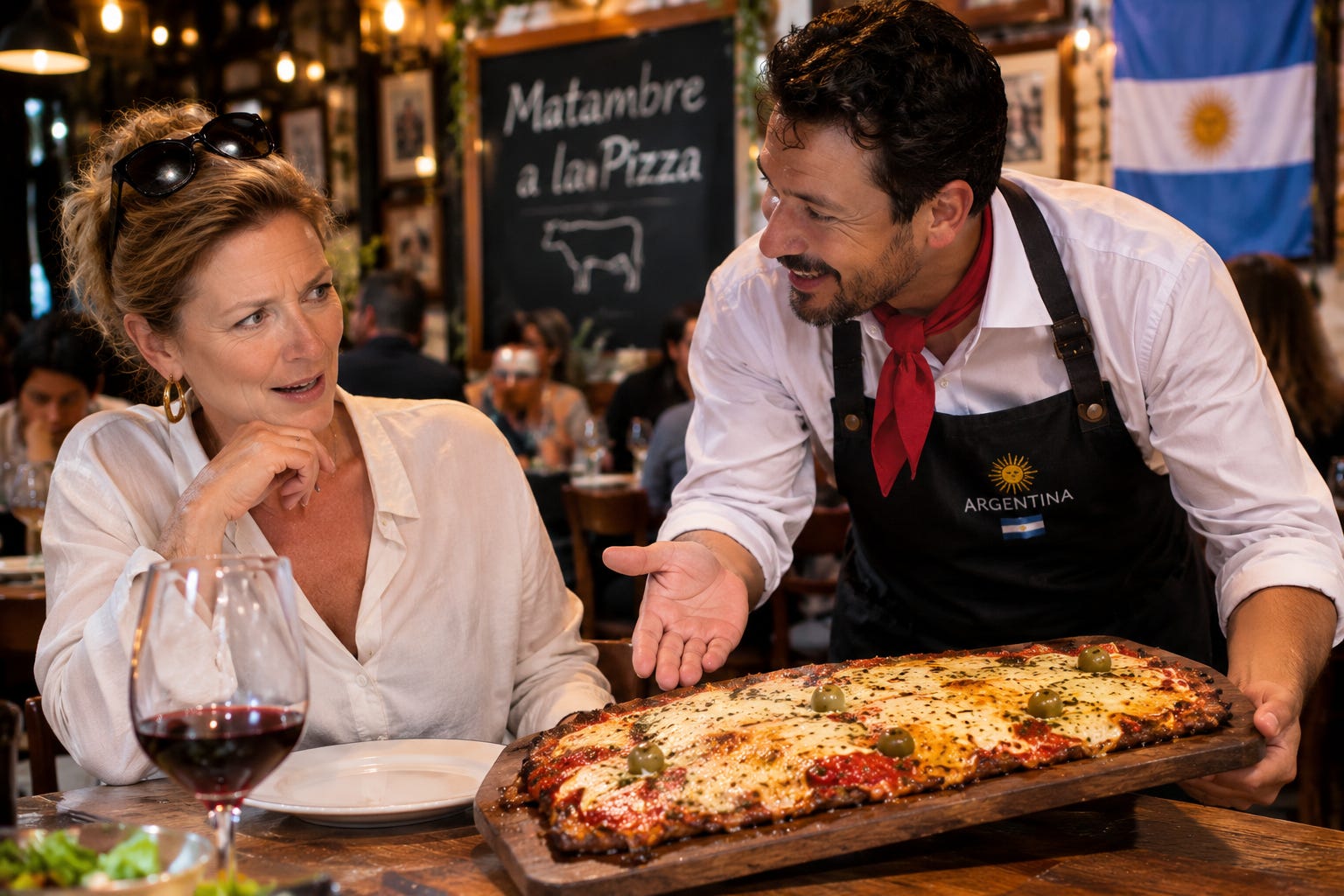
After almost two decades as a steakhouse owner, I like to flatter myself that I have seen just about everything that can be done with a piece of beef. Grilled, smoked, raw, braised, dry-aged, stuffed, sliced, or shredded. Occasionally totally confused, or abused beyond recognition too. Then along comes Argentina’s Matambre a la Pizza, taking a perfectly respectable cut of beef and turning it into something trying to pass itself off as an Italian pizza.
Yes, it’s a thing down there, and a big one too.
The name is a good place to start. Matambre is understood to derive from the Spanish matar el hambre, meaning “to kill hunger”. According to culinary folklore, this thin cut of meat was one of the first pieces cooked after an animal had been slaughtered, allowing famished gauchos to stop that annoying stomach growl. Making time for the more substantial cuts to either being saved for sale or prepared for more affluent customers.
Whether that is true hardly matters, but isn’t “Hunger Killer” just a wonderful name for a steak?
Matambre is a thin, flat sheet of meat taken from between the animal’s skin and ribs, broadly corresponding to the rose meat or fly-shaker cut in some Anglo butchery traditions. Not the sort of steak that wins beauty contests at the butcher’s counter, the muscle is relatively lean, with connective tissue that makes it chewy unless treated with skill. But Argentinians, as we all know, know plenty of beef wizardry, and plenty of practice serving it up just about any style imaginable.
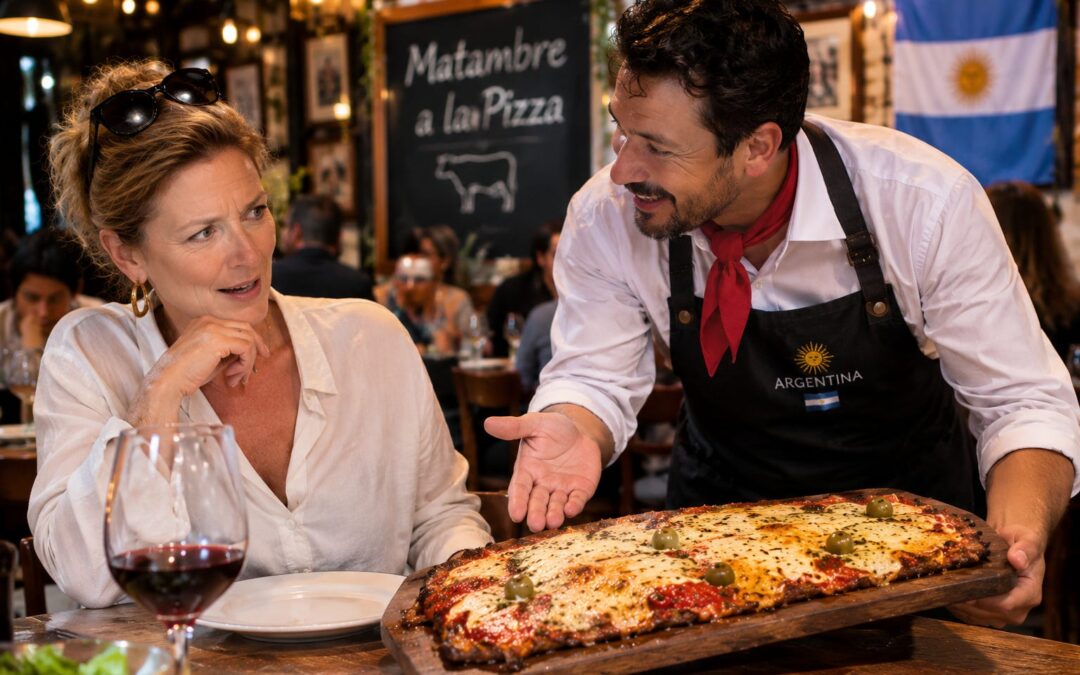
The traditional approach is to tenderise the meat through slow cooking before finishing it over a grill or in an oven. And this is where things become distinctly Italian. Also called Matambre a la Pizzaiola, the dish uses the cooked flat beef as a pizza base, covering it with tomato sauce, mozzarella, oregano and sometimes olives, peppers or slices of tomato. Back under the heat it goes until the cheese melts into a bubbling blanket.
The result looks suspiciously like a pizza, smells like a pizza, but eats like a steak.
Right now, traditionalists all over Italy are probably reaching for their blood-pressure medication, but the combination makes perfect historical sense. Argentina received millions of Italian immigrants during the late nineteenth and early twentieth centuries, and their culinary influence became deeply embedded in the national diet.
Pizza, pasta and milanesas became as familiar to Argentine families as their beloved asado or empanadas. Matambre a la Pizza is a great example of two cultures merging, except that the Italians supplied the toppings and the Argentinians insisted on keeping the cow underneath.
There is another popular version, Matambre Arrollado, in which the meat is rolled around vegetables, hard-boiled eggs and herbs – quite similar to a French roulade or Italian involtino – then cooked and sliced into colourful spirals. Often served cold, it stars at family gatherings and festive tables, particularly around Christmas.
Beyond Argentina, matambre has a following in Uruguay and other neighbouring South American countries. Argentine restaurants and expatriate communities have carried both versions to Europe, North America and elsewhere. Nevertheless, it remains unfamiliar to the international steakhouse customer, who is far more likely to recognise rib-eye, tenderloin or all-time greats like picanha.
Perhaps that is because matambre refuses to fit neatly into any category. After years of watching chefs compete over ever-higher marbling scores, ever-thicker cuts and increasingly elaborate presentations, there is something refreshing about a humble piece of beef that became a national favourite simply by borrowing an idea from another cuisine.
And if anyone complains that it’s not pizza, the answer is simple. Argentina never said it was. Because it’s matambre. Y listo!
Image Credit: https://therestaurantinsider.net (AI-generated)
_ _ _
© CHURRASCO PHUKET STEAKHOUSE / ALL RIGHTS RESERVED
Reprinting, reposting & sharing allowed, in exchange for a backlink and credits
Churrasco Phuket Steakhouse serves affordable Wagyu and Black Angus steaks and burgers. We are open daily from 12noon to 11pm at Jungceylon Shopping Center in Patong / Phuket.
We are family-friendly and offer free parking and Wi-Fi for guests. See our menus, reserve your table, find our location, and check all guest reviews here:
https://ChurrascoPhuket.com/
#Churrascophuket #jungceylon #phuketsteakhouse #affordablewagyu #wagyu
by lspeed | Nov 8, 2026 | BLACK BOX: RANTS, RAVES, REVIEWS & RECIPES
An ancient French culinary guild with a taste for ceremony
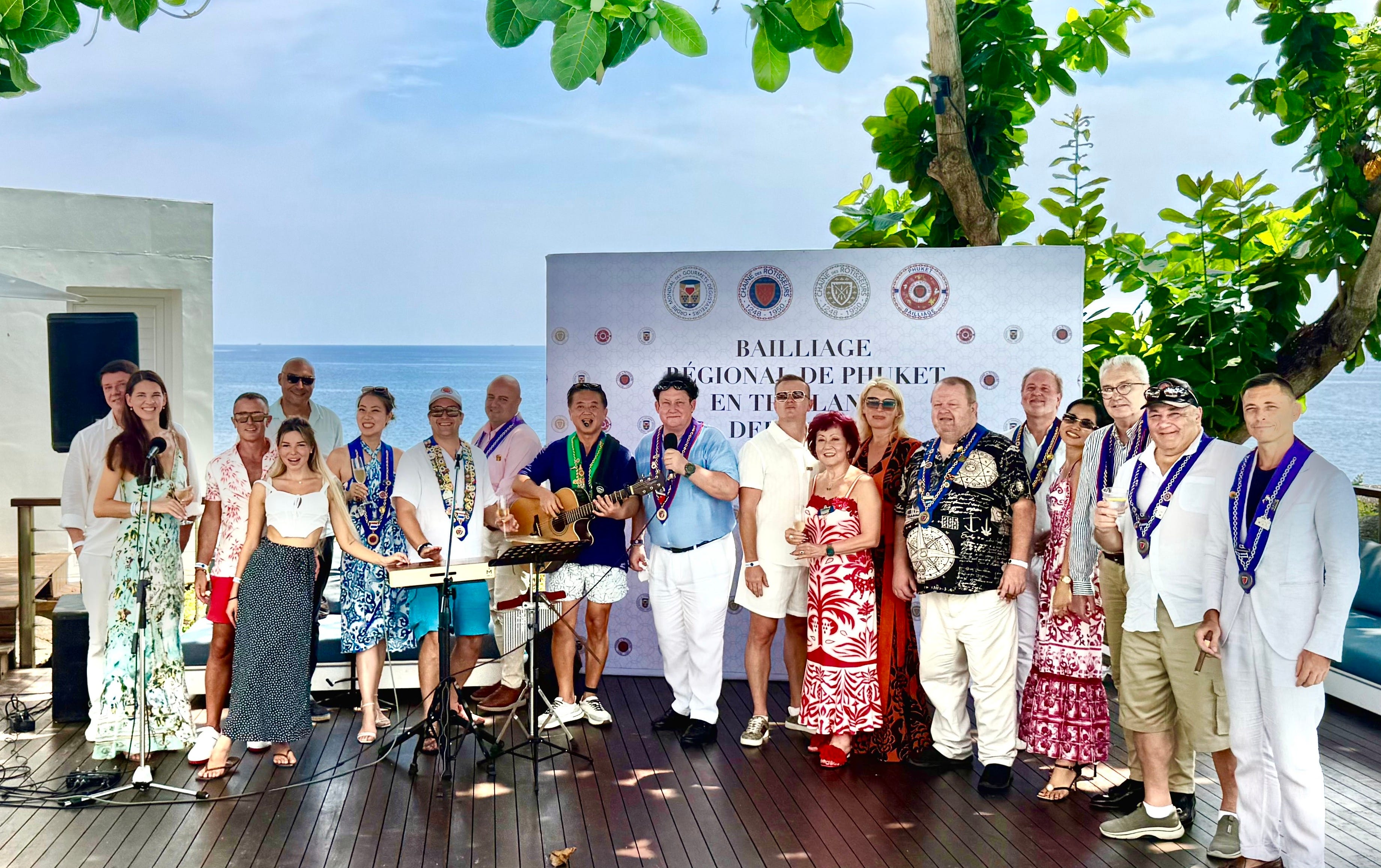
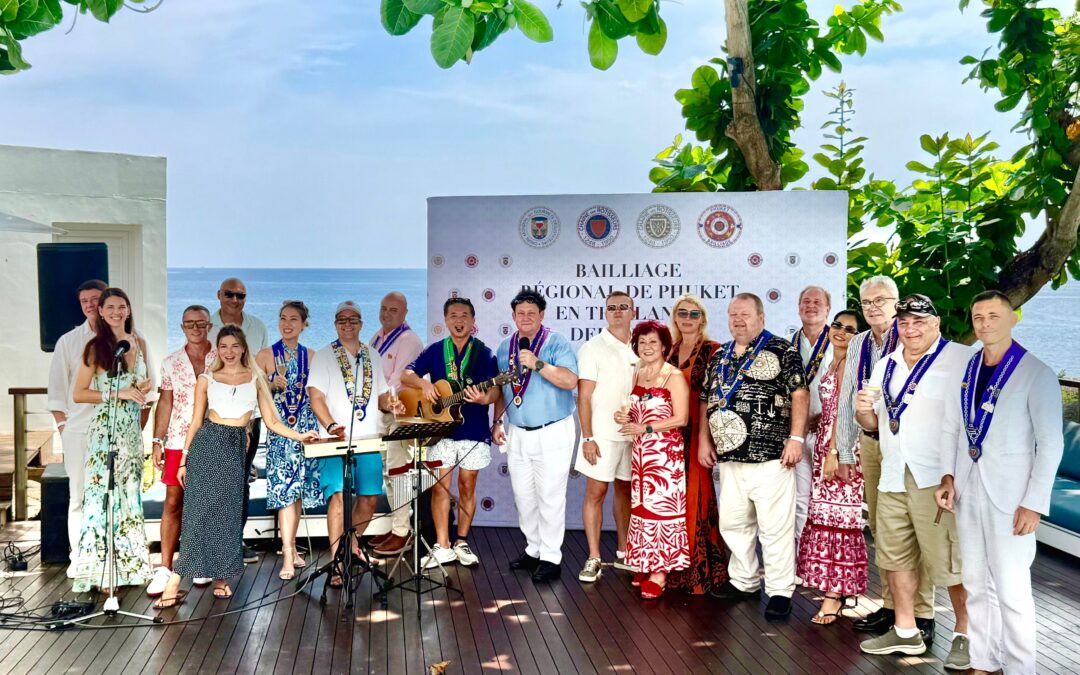
We recently joined the Phuket chapter of Chaîne des Rôtisseurs, an international gastronomic association whose name is considerably harder to pronounce than its purpose is to understand. Since we own Churrasco Phuket Steakhouse, our membership now connects us with this worldwide community of chefs, restaurateurs, sommeliers and enthusiastic diners. All of whom share an appreciation of good food, fine wine and the true meaning of hospitality. Our kind of people.
For a steakhouse, joining an organisation with its roots in medieval meat roasting seems particularly appropriate. But there is considerably more to the Chaîne than elaborate dinners and impressive-looking medals. The story begins in France in 1248, during the reign of King Louis IX, when professional guilds regulated various trades, including the roasting of geese. Apparently, preparing poultry was sufficiently important in medieval France to warrant its own professional organisation.
Over time, the guild expanded its activities to other meats and game, eventually becoming known as the Rôtisseurs. It acquired its coat of arms in 1610, featuring crossed roasting spits surrounded by flames. The French Revolution abolished the entire guild system in 1793, bringing this particular chapter of culinary history to an abrupt end. Hopefully, without any heads rolling.
Its revival came in Paris in 1950, when five French gastronomes, including the celebrated food writer Curnonsky, established the modern Chaîne des Rôtisseurs. Their ambition was to revive the traditions of culinary craftsmanship, professional fellowship and appreciation of good food. Today, the association operates in more than 75 countries, with approximately 25,000 members and international headquarters in Paris.
The Chaîne operates through national and local chapters called Bailliages, headed by officers bearing traditional French titles. Its membership deliberately combines hospitality professionals with non-professional enthusiasts, bringing together people who usually meet on opposite sides of a restaurant table. A chef might find himself seated beside a banker, a restaurateur beside a wine collector, or a hotelier discussing sauces with someone whose culinary expertise consists mainly of knowing where to eat. As restaurateurs, this is one aspect we especially love.
The association has an elaborate system of ranks and insignia, which a friend of ours only half jokingly compared with the regalia of Freemasons. Far from it, actually, as there is nothing secretive or clandestine about the Chaîne, except perhaps the odd confidential recipe tip exchanged after enough wine was served. But inducted members do wear coloured ribbons and medallions identifying their membership grade or professional position, with titles such as Chevalier, Maître Rôtisseur and Officier.
The principal ceremonial occasion is the Grand Chapitre, often a multi-day gathering culminating in the formal induction of new members. The ceremony traditionally involves a symbolic roasting spit, formal declarations and the presentation of insignia. It is an unmistakably French combination of medieval symbolism, elaborate protocol and culinary enthusiasm. Behind the ceremonies lies the principal attraction, and that is dining together with like-minded people. Local chapters organise gastronomic dinners, wine tastings and culinary excursions. Some are black-tie occasions featuring elaborate menus and wine pairings, others are relatively informal gatherings, called Dîner Amical.
Participating restaurants have an opportunity to demonstrate their cooking and service to an audience that deeply understands hospitality. The Chaîne also supports international competitions for young chefs and sommeliers, while its wine-focused branch, the Ordre Mondial des Gourmets Dégustateurs, promotes appreciation of wines and other beverages.
The Chaîne’s historical connection with roasting meat makes our membership fitting, although Latin-style steakhouse grilling differs considerably from medieval French goose roasting. And at Churrasco Phuket Steakhouse, we never considered fine dining to be our central theme, something defined by white tablecloths, complicated menus or tiny portions arranged with tweezers. Our interpretation has always been about properly sourced beef, careful preparation, appropriate wines, attentive but relaxed service, and guests who enjoy their evening. We will fit right in.
Membership is not a restaurant rating or independent quality certification. It represents participation in an international gastronomic community, with opportunities to exchange ideas and experiences, and make friends across the table. And while the ribbons, medals and ceremonies add colour, the underlying principle always remains on great food and memorable dinners.
Preferably with a decent bottle of wine. Or two …
Image Credit: https://www.chainephuket.com/img/events/20260425_wcd/8.jpg
_ _ _
© CHURRASCO PHUKET STEAKHOUSE / ALL RIGHTS RESERVED
Reprinting, reposting & sharing allowed, in exchange for a backlink and credits
Churrasco Phuket Steakhouse serves affordable Wagyu and Black Angus steaks and burgers. We are open daily from 12noon to 11pm at Jungceylon Shopping Center in Patong / Phuket.
We are family-friendly and offer free parking and Wi-Fi for guests. See our menus, reserve your table, find our location, and check all guest reviews here:
https://ChurrascoPhuket.com/
#Churrascophuket #jungceylon #phuketsteakhouse #affordablewagyu #wagyu
by lspeed | Nov 1, 2026 | WINES: UNCORKING THE MYSTERY
What a Portuguese red wine taught us about tasting and selling the unfamiliar.
Since we launched our Churrasco South American Steakhouse in Phuket in 2012, our wine list at has leaned heavily towards Argentina and Chile, with Spain playing a supporting role. This suited both our steaks and our guests, who were familiar with the names and happily reached for their regular Malbecs or Riojas. So when our supplier suggested adding Portuguese wines during our latest wine list revamp, we were less than enthusiastic.
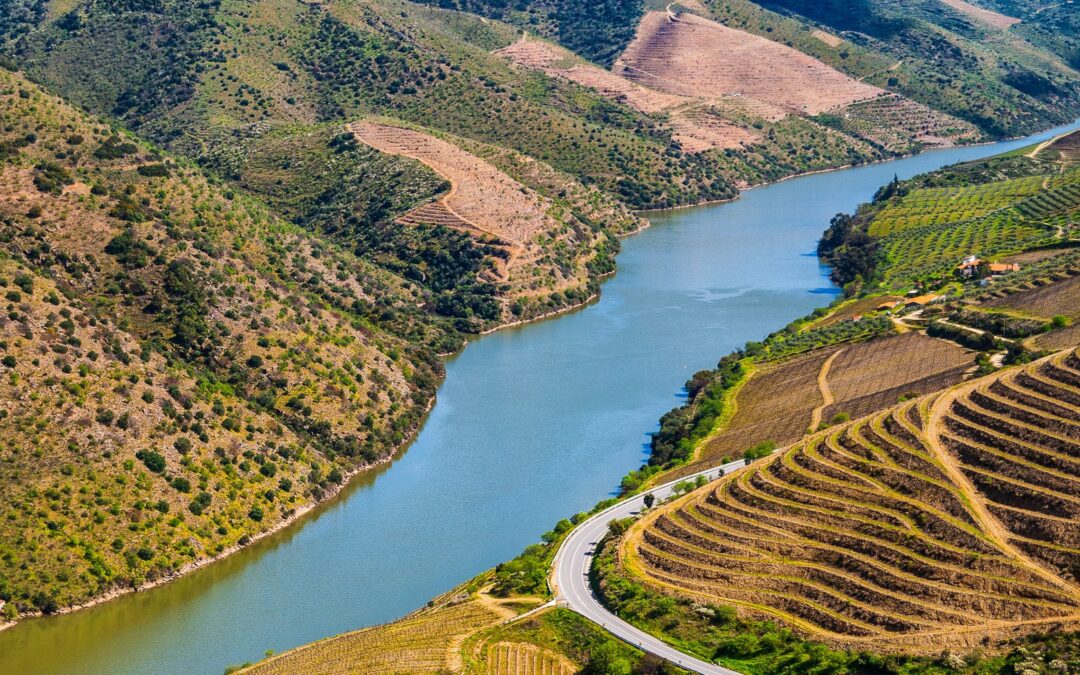
Beyond Port, which we already carried, and Vinho Verde, Portugal’s lightweight white wine, the country was a blank spot on our wine map. Portugal seemed relevant to our dessert menu, but not as a serious contender alongside our Malbecs or Zinfandels. Our supplier made us taste a few labels (one of the hardships we endure as steakhouse owners), and one particular blind-tasted Douro red caught our attention and affection. It has since become one of our popular all-round reds, leaving us wondering how a region with so much winemaking history had stayed off so many wine lists, including ours.
In the Shadows
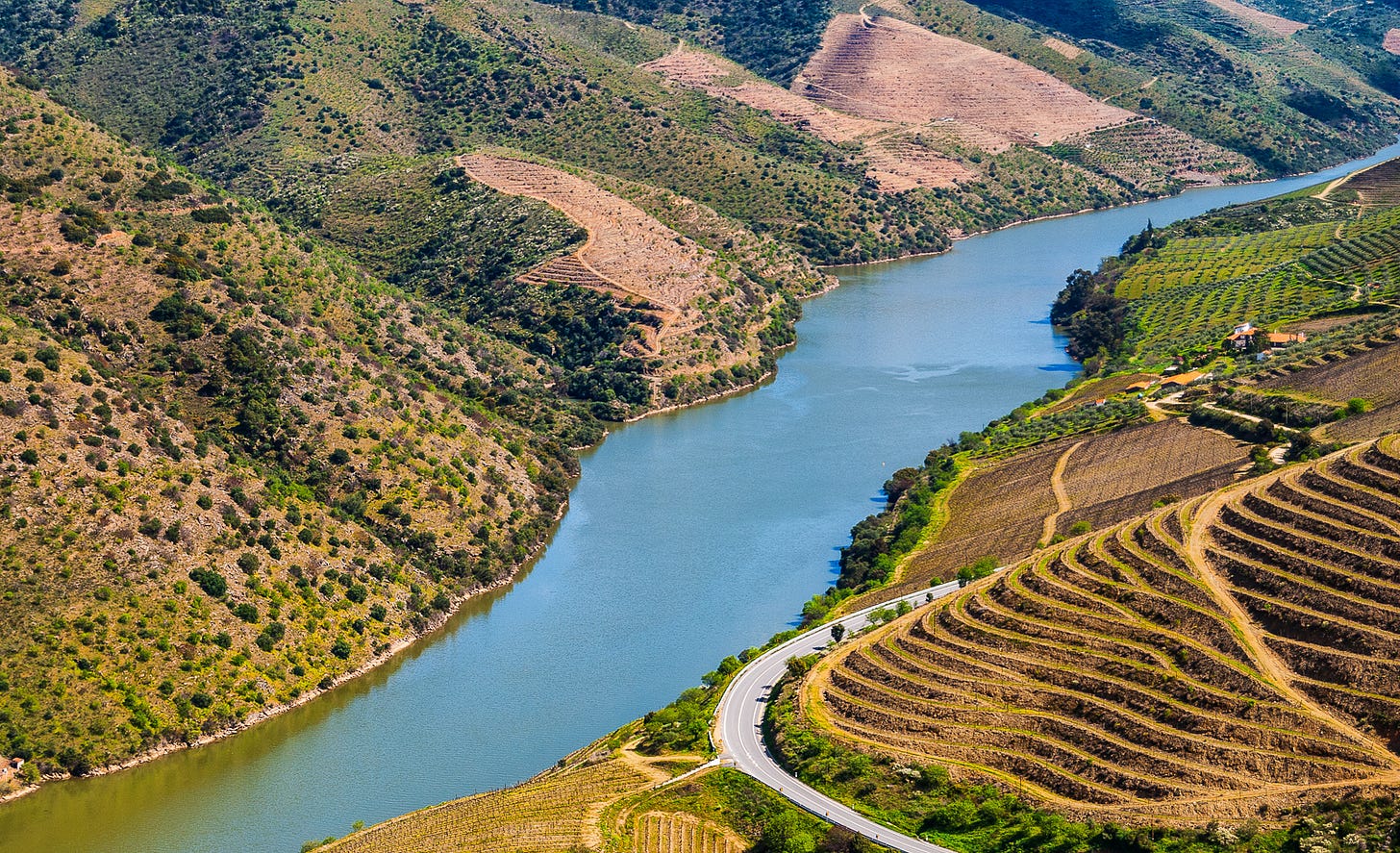
The short answer is Port. During the late seventeenth century, Britain wanted alternatives to French wine, a country it was constantly quarrelling with. The sweet character of Port appealed to British tastes, and fortification with grape spirit made the wine more stable during shipping and storage. For a trading nation with a huge navy and merchant marine, that was a considerable advantage. British merchants subsequently helped turn the Douro into Port country, and in 1756 the region was formally demarcated for its production.
For much of the twentieth century, grapes suitable for premium Port were channelled into fortified wine, while dry reds remained commercially invisible. Ferreira’s pioneering Barca Velha demonstrated their potential as early as 1952, but broader change only gathered momentum after Portugal joined the European Community in 1986.
Producers such as Niepoort, Quinta do Crasto, Quinta do Vale Meão and Wine & Soul developed a distinctive dry-wine identity around indigenous varieties including Touriga Nacional, Touriga Franca and Tinta Roriz. Meanwhile, Portugal’s international image remained dominated by Port and Vinho Verde, leaving its dry reds struggling for recognition. The wines had established their quality credentials, but their international reputation has yet to catch up. For operators like us, that gap is where things get interesting.
The Value Case
Few guests have a reference price for Douro wines in their heads. This allows us to offer a red with genuine structure and complexity at a price below that of many comparable French or Italian bottles. In Thailand, where import duties make almost any bottle look expensive, that matters. It’s the same logic we apply to our Wagyu and Black Angus beef – quality at a price that encourages guests to order rather than admire and pass over.
It also gives our regulars something new to explore, without moving into another price bracket. I wouldn’t count on this value gap lasting forever. The Douro’s steep terraces, labour-intensive cultivation and rising production costs are putting pressure on growers. And greater international recognition rarely comes without higher prices.
The Trade-Off
Selling wine from an unfamiliar region means the wine list cannot do all the work. A Malbec or Rioja needs little introduction, but a Douro red needs someone mentioning it at the table. That puts responsibility on our floor team, because a server who cannot explain an unfamiliar wine is unlikely to sell many bottles of it.
What worked for us was positioning the Douro against wines our guests already knew – a fresh alternative for Malbec drinkers, and a natural partner for our steaks. Our Portuguese wine experiment has exceeded our expectations, not because we launched an elaborate sales campaign, but because the wine is excellent, filled a gap in our selection and earned the confidence of our team.
Most guests who order it still know nothing about British Port merchants or Barca Velha, and that’s fine. What matters is that they enjoy the wine, appreciate the recommendation and are happy to come back for another bottle.
And they don’t flinch when the bill arrives.
Image Credit: https://commons.wikimedia.org/w/index.php?curid=35076867
_ _ _
© CHURRASCO PHUKET STEAKHOUSE / ALL RIGHTS RESERVED
Reprinting, reposting & sharing allowed, in exchange for a backlink and credits
Churrasco Phuket Steakhouse serves affordable Wagyu and Black Angus steaks and burgers. We are open daily from 12noon to 11pm at Jungceylon Shopping Center in Patong / Phuket.
We are family-friendly and offer free parking and Wi-Fi for guests. See our menus, reserve your table, find our location, and check all guest reviews here:
https://ChurrascoPhuket.com/
#Churrascophuket #jungceylon #phuketsteakhouse #affordablewagyu #wagyu
by lspeed | Oct 25, 2026 | KNOWLEDGE: MEAT ESSENTIALS
South Africa’s favourite dried meat has attitude and firm views about its American cousin
My introduction to biltong could hardly have been better staged. Years ago, on a game reserve in South Africa, we set off before sunrise and soon came across a pride of lions having breakfast. They had killed a kudu and were busy making short work of it, while we sat nearby in an open Land Rover. It was highly surreal, considering that there was nothing separating my daughter and me from a bunch of hungry lions, other than the reassurance of our guide that we were safe.
He then did something better, reaching into his bag and passing around some biltong. So there we were, watching lions munching kudu while we were nibbling on dried meat ourselves. It was one of those African Moments people like to talk about, but with the lions having gone for the fresher option. I have liked biltong ever since.
When you run a steakhouse, you develop an interest in what different countries do with beef. Argentinians throw it on fire, the French add butter, and the Americans build grills the size of small garages. South Africans, though, discovered that some good meat, salt, vinegar, spice and patience can be quite enough.
Biltong’s origins go back centuries. Indigenous people in southern Africa were preserving game with salt and air-drying it, long before Dutch settlers arrived at the Cape in the 17th century. The newcomers added vinegar and spices familiar from their Asian trade routes, particularly coriander, black pepper and cloves. Biltong emerged so successfully from that meeting of traditions that it has established itself as an enduring part of South Africa’s culinary landscape.
The name itself though is less poetic. Bil means rump or buttock, and tong means tongue or strip. A brutally practical name for a brutally practical food, and that mattered. During the Great Trek of the 19th century, Boer settlers heading inland needed protein that could travel. Biltong stepped up and solved their problems long before vacuum bags, refrigerated trucks and health-and-safety forms arrived.
Today you find it everywhere in South Africa, at butchers, petrol stations, supermarkets and rugby grounds. Beef is the standard, but there is also kudu, springbok, wildebeest and ostrich. There are thick cuts, thin shavings and dry snap sticks. Some like it dry, others want thick pieces with a softer centre and a good strip of fat. Some wine estates even offer biltong pairings, and every South African has an opinion about it.
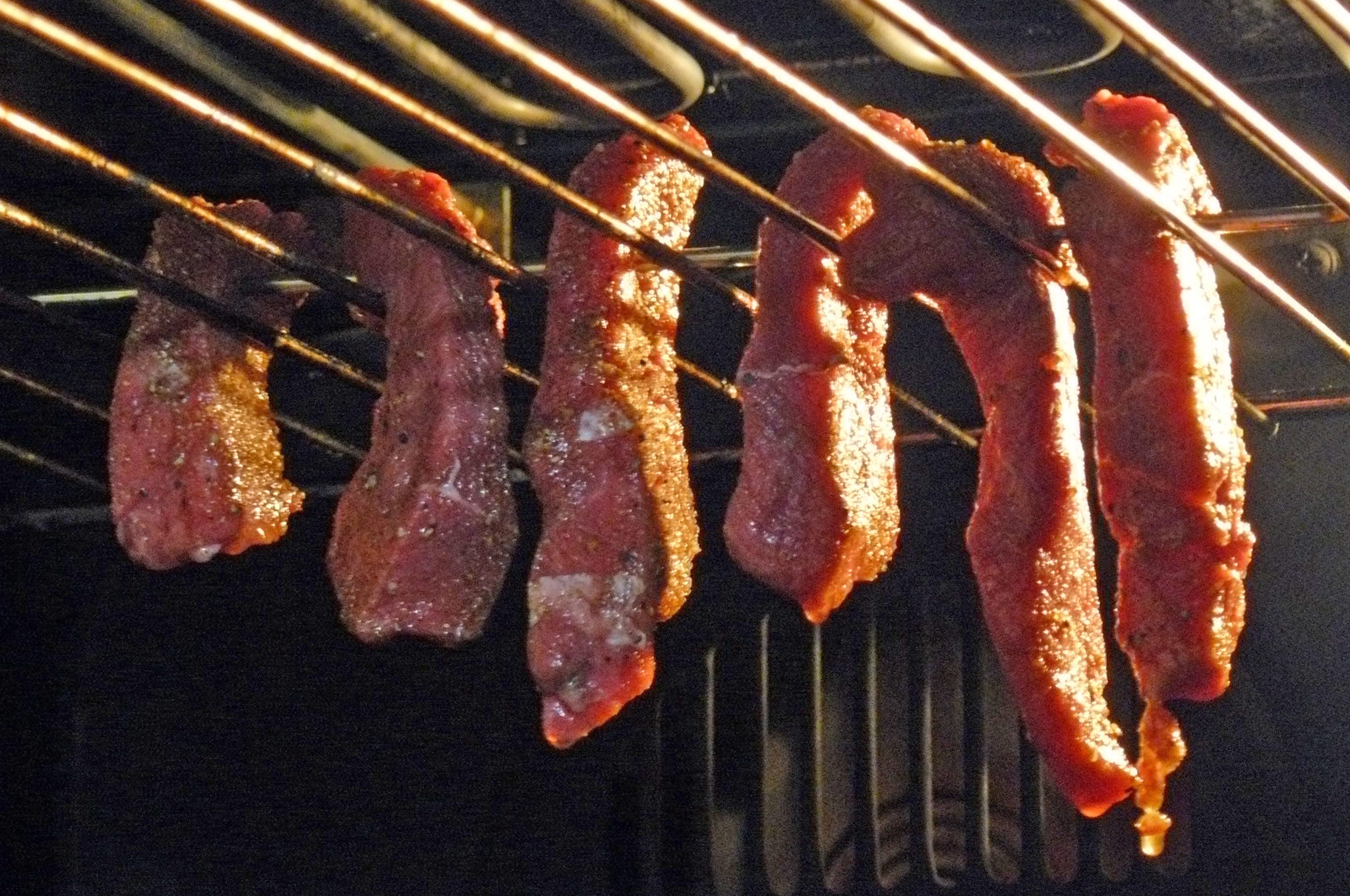
Ask three South Africans about what real biltong is and you’ll get four answers. There is, however, one subject on which consensus rules – it is not and never will be jerky. Calling biltong that is equivalent to telling an Italian that ketchup is basically tomato sauce. American jerky is generally cut thinner, often sweeter and commonly dried using heat.
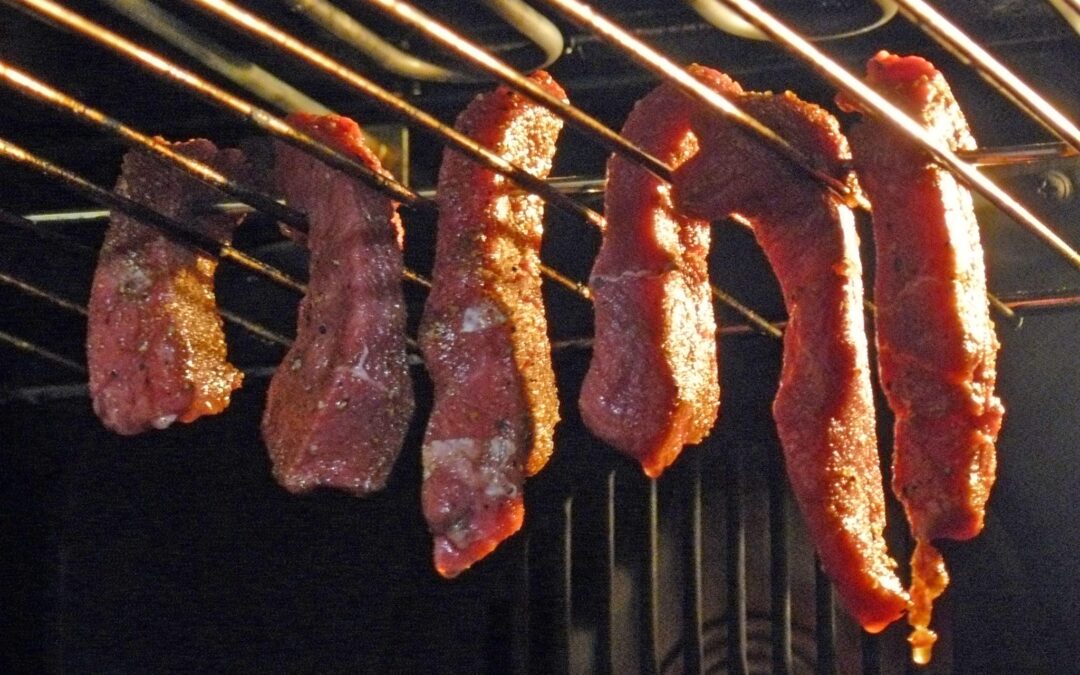
Traditional biltong is cured with vinegar, salt and spices and hung to air-dry. It takes longer, and that explains why biltong has character, while jerky often appears to have been designed for a lonely life in a glove compartment.
Biltong also crosses cultural lines in South Africa. In isiZulu it is known as umqwayiba, and regional traditions vary, with some adding fruit or local oils. Dried meat also goes into stews, adding a concentrated savoury punch. While in Cape Town, we even came across a “Creamy Biltong & Wild Mushroom Pasta” on the menu of a smart restaurant on the city’s V&A Waterfront district.
These days, Biltong is popping up in Berlin and Brooklyn, and Hong Kong and Singapore. Helped by the growing appetite for protein snacks, there is chili biltong and peri-peri biltong. And – because apparently somebody had to do it – the world now has “Exotic Truffle Fatty”, infused with black truffle oil. We will leave that last one alone.
Overall, biltong makes a lot of sense for us steak people. We all like to start with good meat, don’t mess with it too much, then give it some salt, some spice and enough time to do the rest. The lions had an even simpler breakfast recipe.
Thankfully, we didn’t end up a part of it that morning.
Image Credit: https://commons.wikimedia.org/wiki/File:BiltongUKOven.jpg
_ _ _
© CHURRASCO PHUKET STEAKHOUSE / ALL RIGHTS RESERVED
Reprinting, reposting & sharing allowed, in exchange for a backlink and credits
Churrasco Phuket Steakhouse serves affordable Wagyu and Black Angus steaks and burgers. We are open daily from 12noon to 11pm at Jungceylon Shopping Center in Patong / Phuket.
We are family-friendly and offer free parking and Wi-Fi for guests. See our menus, reserve your table, find our location, and check all guest reviews here:
https://ChurrascoPhuket.com/
#Churrascophuket #jungceylon #phuketsteakhouse #affordablewagyu #wagyu